Harbour: A Vintage-Inspired Typeface for Timeless Designs
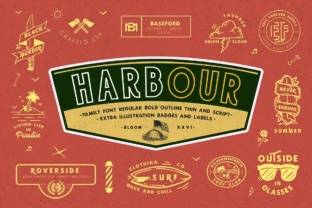
There’s a certain magic in typography that evokes nostalgia without feeling dated—a balance between classic charm and contemporary clarity. Few typefaces manage this equilibrium as gracefully as Harbour, a gorgeous, vintage-inspired display font by BloomXXVI. Designed with an eye for elegance and versatility, this font family offers a script style, a clean sans serif, and a refined outline style, each contributing to a cohesive visual language that can transform ordinary projects into memorable ones.
More Than Just a Pretty Font: The Visual Appeal of Harbour
Harbour’s strength lies in its personality. The script style carries the warmth and flow of hand-lettered calligraphy, perfect for adding a personal, artisanal touch. The sans serif counterpart provides a modern, structured foundation that ensures readability and balance. Then there’s the outline style—a delicate, open-face variation that adds depth and visual interest when layered or used selectively. Together, these styles create a versatile toolkit that feels both sophisticated and approachable.
What makes this premium font stand out is its ability to feel nostalgic yet fresh. Imagine the signage of a historic seaside town, reinterpreted for today’s design landscape. The letterforms have subtle curves and thoughtful details that catch the eye without overwhelming the message. This isn’t just another display font; it’s a typeface with character, designed to tell a story.
Practical Applications: Where Harbour Shines
The true test of any creative font is how it performs in real-world scenarios. Harbour excels across a surprising range of applications, thanks to its multi-style family. For brand identity projects, using the script style for a logo and the sans serif for body text creates instant visual hierarchy and cohesion. A boutique hotel, a wedding photographer, or a specialty coffee roaster could build an entire brand system around this typeface.
In packaging design, the script style can convey handcrafted quality on labels for artisanal goods, while the sans serif ensures ingredient lists and legal information remain clear. For social media graphics, mixing the outline style with solid text creates dynamic, eye-catching posts that stand out in a crowded feed. The font’s elegance also translates beautifully to print materials like business cards, letterheads, and invitations, where first impressions are paramount.
- Digital Presence: Use the sans serif for website headers and blog titles to maintain readability while the script style accents quotes or call-to-action buttons.
- Editorial Design: Create compelling magazine layouts or blog graphics by pairing the script for headlines with the sans serif for captions and pull quotes.
- Merchandise & Posters: The outline style offers a unique, graphic quality perfect for t-shirt designs, tote bags, or event posters where you want text to feel like an illustration.
- Marketing Assets: From email headers to digital ads, using Harbour consistently helps build brand recognition and a professional presentation across all touchpoints.
Choosing the Right Style for Your Project
With three distinct styles in the Harbour family, selecting the right one depends on your project’s goal and context. The script font is ideal for creating emotional, personal connections. Think wedding stationery, boutique branding, or social media quotes. However, it’s best used for short bursts of text—like headlines or logos—because extended reading in script can be challenging.
The sans serif font is your workhorse. Its clean lines and balanced proportions make it perfect for body text, navigation menus, product descriptions, and any situation where clarity is key. It provides a modern counterpoint to the script’s vintage flair, ensuring your design feels grounded and accessible.
The outline style is a strategic accent. Use it to add visual texture, create layered effects, or design monograms. It works beautifully when paired with a solid background or overlaid on a subtle pattern. A practical tip: always test your font pairings in context. Place Harbour alongside your other design assets—images, colors, textures—to see how the typography integrates into the overall visual story.
Enhancing Readability and Professional Polish
One common pitfall with decorative or display fonts is sacrificing readability for style. Harbour navigates this well, but thoughtful application is still essential. For digital use, ensure the sans serif style has sufficient size and contrast against its background. For print, consider the paper stock and ink—fine script details can get lost on textured paper if printed too small.
Improving visual consistency is where a font family like this truly proves its value. By using the same typeface across your logo, website, social media, and printed collateral, you create a seamless brand experience. This repetition builds brand recognition and conveys professionalism, making your business or project appear more established and trustworthy to your audience.
When integrating Harbour into your workflow, take the time to explore all the included glyphs and alternates. Many premium fonts include stylistic alternates, ligatures, and swashes that can add a custom, handcrafted feel to your typesetting. Experiment with these features in your logo design or headline treatments to create something uniquely yours.
A Versatile Asset for the Modern Creative
Whether you’re a small business owner crafting your first brand identity, a designer working on client projects, or a content creator looking to elevate your visual content, Harbour offers a flexible and sophisticated solution. Its blend of vintage inspiration and modern execution makes it suitable for everything from web design to packaging design, from editorial layouts to digital products.
Before finalizing any design, always review the font’s licensing to ensure it covers your intended use, especially for commercial projects. Most importantly, have fun with it. Typography is a powerful tool for communication, and a typeface like Harbour provides the means to inject personality, elegance, and a touch of nostalgia into your work, helping you connect with your audience on a deeper visual level.