Hu Bubble: The Playful Typeface That Brings Retro Joy to Your Designs
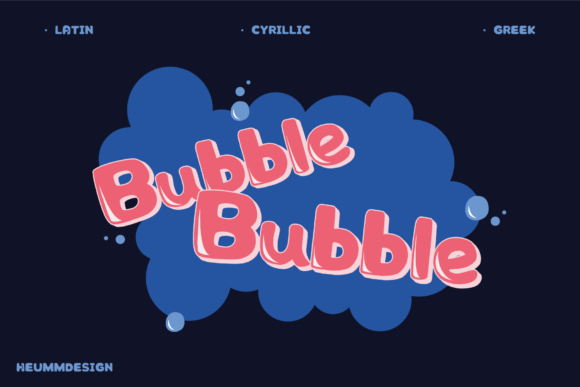
There's something undeniably magnetic about a font that makes you smile before you even read the words. Hu Bubble does exactly that—it's a funky and playful display font with variations in the thickness of strokes that create a rhythmical, almost bouncy quality on the page. Whether you're designing a logo for a new café, crafting social media posts for a boutique brand, or putting together party invitations, this typeface delivers retro and cheerful vibes simultaneously without feeling dated or gimmicky.
What Makes This Typeface Stand Out in a Crowded Font Market
Most display fonts lean heavily in one direction—either purely retro, aggressively modern, or overly whimsical. Hu Bubble sits in a sweet spot that many designers struggle to find. The stroke thickness variations aren't random; they follow a deliberate rhythm that gives each letterform personality while maintaining cohesion across entire words and sentences. This balance means you can use it for headlines, logos, and short bursts of copy without worrying that it'll overwhelm your layout or clash with supporting design elements.
The rounded, bubbly construction draws from mid-century signage and vintage packaging aesthetics, but the execution feels fresh. Think of the typography you'd see on a 1960s soda label reimagined for a contemporary craft brewery or a modern children's clothing brand. That's the territory Hu Bubble occupies comfortably.
Practical Applications Across Design Projects
Understanding where a font truly shines matters more than admiring it in a specimen sheet. Here's where Hu Bubble proves its worth in real-world creative work:
- Brand identity systems — If your brand personality skews playful, approachable, or nostalgic, this typeface anchors your visual language. It works particularly well for food and beverage brands, children's products, lifestyle blogs, entertainment companies, and any business that wants to feel welcoming rather than corporate.
- Logo design — The distinctive stroke variations create logos with built-in character. A wordmark set in Hu Bubble doesn't need excessive embellishment because the letterforms themselves carry visual interest.
- Packaging design — From artisanal snack labels to beauty product boxes, the retro-cheerful quality helps products jump off shelves. It pairs especially well with illustrated elements and hand-drawn motifs.
- Social media graphics — Instagram stories, Pinterest pins, and Facebook covers benefit from typefaces that stop the scroll. Hu Bubble's personality makes text-heavy graphics feel less like ads and more like content people actually want to read.
- Event invitations and stationery — Birthday parties, baby showers, product launches, and pop-up events all call for typography that sets a celebratory mood without looking cheap.
- Merchandise and apparel — Tote bags, t-shirts, stickers, and mugs featuring bold, playful type consistently outperform minimalist alternatives in certain markets. If your audience values fun and self-expression, this font delivers.
- Website headers and blog graphics — While you wouldn't set an entire website in a display font, using Hu Bubble for hero sections, section headers, and featured post graphics adds visual punch that keeps visitors engaged.
- Print materials — Flyers, posters, brochures, and menu designs all benefit from a headline typeface that communicates energy and warmth. Restaurants, cafés, and entertainment venues find particular success here.
- Digital products — E-book covers, online course graphics, downloadable planners, and worksheet headers can all leverage this typeface to create a cohesive, branded feel that justifies premium pricing.
Pairing Hu Bubble with Supporting Typefaces
Every display font needs a partner. Because Hu Bubble carries so much personality on its own, your supporting typeface should play a quieter role. Clean sans serif fonts like Montserrat, Open Sans, or Lato handle body copy beautifully alongside it. The contrast between the playful headline and the straightforward body text creates visual hierarchy that guides readers naturally through your content.
For projects that lean more vintage, consider pairing it with a classic serif font for secondary text. The combination of bubbly display type with traditional serifs can evoke a nostalgic diner menu or a retro travel poster aesthetic. Experiment with different weights and sizes—you might find that Hu Bubble works beautifully at 48pt for a poster headline but needs to drop to 36pt for a social media graphic where space is tighter.
The key principle here is restraint. If your headline font does the heavy lifting visually, let your body font step back and support from the sidelines. Avoid pairing two highly decorative fonts together unless you're going for deliberate visual chaos—which can work in certain editorial or artistic contexts but rarely serves commercial design goals.
Readability Considerations for Real Projects
Display fonts prioritize personality over paragraph-level readability, and Hu Bubble follows this convention. It's not designed for long-form body copy, and using it that way would frustrate readers regardless of how charming the letterforms are. Instead, reserve it for situations where text appears in short bursts—headlines, subheadings, logos, call-to-action buttons, and pull quotes.
Size matters significantly with this typeface. At larger sizes, the stroke variations and rounded forms read clearly and create maximum visual impact. At smaller sizes, some of that nuance can get lost, particularly in print where ink spread might soften the thinner strokes. Always test your designs at the actual size they'll appear in final production, whether that's a mobile screen, a printed flyer, or a billboard.
Color contrast also plays a role. Because the font has inherent visual texture from its stroke variations, placing it on busy photographic backgrounds requires careful attention. A solid color background or a simple gradient usually lets the typeface breathe and perform at its best.
Licensing and Font Styles Worth Exploring
Before incorporating any premium font into commercial projects, verify the licensing terms match your intended use. Most quality display fonts come with clear commercial licensing that covers everything from client work to merchandise production, but the specifics vary between foundries and distributors. Read the license agreement, especially if you plan to use the font in products for sale, embedded in digital downloads, or across multiple client brands.
Many display typefaces include multiple styles—bold, outline, shadow, or inline variations—that expand your creative options significantly. These variations let you create visual emphasis without introducing a second typeface, which helps maintain brand consistency across touchpoints. An outline version might work for secondary headlines while the solid weight anchors primary messaging.
Making Typography Decisions That Actually Serve Your Goals
Choosing a font shouldn't happen in isolation. The best typography decisions connect directly to your project's communication goals, your audience's expectations, and the context where your design will live. A playful display font like Hu Bubble serves specific purposes exceptionally well—it communicates warmth, approachability, and creative energy. If those qualities align with your brand or project, it's a strong choice worth exploring further.
Test it in context before committing. Set your actual headlines, not just sample text. View it alongside your color palette, your imagery, and your supporting typeface. Print it out if the project lives in physical form. Check it on mobile screens if it'll appear digitally. Typography that looks perfect in a font preview can feel completely different once it meets the reality of your specific design system.
The most successful designs treat typography as a strategic decision rather than an afterthought. When a typeface like Hu Bubble aligns with your brand personality and your audience's sensibilities, it becomes more than a decorative choice—it becomes a recognizable element of your visual identity that builds recognition and trust over time.