Cast: A Retro-Styled Display Font for Bold, Inspired Designs
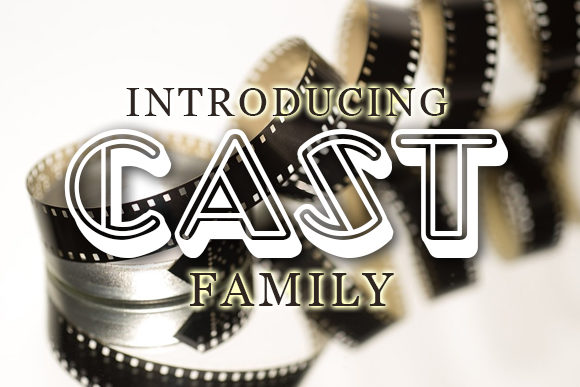
There's something magnetic about a font that carries a story in its letterforms. You know the feeling—when you stumble across a typeface that immediately transports you to another era, yet somehow feels perfectly at home in a modern layout. That's the kind of reaction Cast tends to provoke. It's a display font family with a distinctly retro soul, built for designers and creators who want their work to carry visual weight and personality without saying a word.
Whether you're designing a concert poster, building a brand identity from scratch, or crafting social media graphics that actually stop the scroll, the typography you choose does more heavy lifting than most people realize. Cast steps into that space with confidence—offering a retro-styled aesthetic that doesn't feel dated or gimmicky, but rather intentional and full of character.
What Makes Cast Stand Out in a Crowded Font Market
The digital typography landscape is enormous. Thousands of display fonts compete for attention, and many of them blur together after a while. Cast manages to carve out its own identity through a combination of visual warmth and structural clarity. Its letterforms echo mid-century design sensibilities—think bold signage, vintage packaging, and classic movie title cards—while remaining clean enough for contemporary applications.
What separates a good display font from a forgettable one often comes down to the details. The weight distribution, the curves, the way individual letters interact when placed side by side. Cast has been designed with these relationships in mind. The result is a typeface that feels cohesive as a system, not just a collection of attractive glyphs. When you set a headline or a logo wordmark in Cast, the letters breathe together. They have rhythm.
That rhythm matters more than you might expect. In branding and marketing, visual consistency is everything. A font that looks great in isolation but falls apart in context is a liability. Cast holds its shape across different sizes, backgrounds, and applications—which is exactly what you need from a premium font you're going to rely on repeatedly.
Where Cast Fits Best: Real Applications for Real Projects
Display fonts live or die by context. A typeface that shines on a vintage-style poster might feel completely wrong on a minimalist website. Understanding where Cast works best will help you get the most out of it.
Branding and Logo Design — If you're developing a brand identity for a craft brewery, a boutique clothing line, a retro diner, or any business that wants to convey authenticity and heritage, Cast offers an immediate visual shorthand. Its retro styling communicates warmth, craftsmanship, and personality without requiring additional design elements to do the talking. A logo set in Cast can become the cornerstone of an entire brand system—appearing on business cards, signage, packaging, and digital platforms with equal impact.
Posters and Print Materials — This is where display fonts like Cast truly come alive. Event posters, promotional flyers, sale announcements, and editorial layouts all benefit from typography that commands attention. Cast's bold letterforms are designed to be read at a glance, making it ideal for any print material where you need to communicate quickly and memorably. Think music festival posters, gallery show announcements, or seasonal marketing campaigns.
Packaging Design — Product packaging is one of the most competitive visual environments there is. Your typography needs to work on a crowded shelf, at arm's length, and under imperfect lighting conditions. Cast's strong visual presence and retro character make it a natural fit for food and beverage packaging, artisanal goods, cosmetics, and any product where the packaging itself is part of the brand experience.
Social Media Graphics and Digital Content — The scroll never stops. To break through the noise on platforms like Instagram, Pinterest, or TikTok, your graphics need immediate visual impact. Cast works beautifully for quote graphics, promotional announcements, story templates, and thumbnail text. Its distinctive character helps your content feel branded and intentional, even when it's competing against hundreds of other posts in a feed.
Web Design and Blogs — While Cast is a display font and best suited for headlines, hero sections, and accent text rather than body copy, it can add tremendous personality to a website. Used strategically in H1 tags, navigation accents, or featured content areas, it gives a site a point of view that generic sans serif fonts simply can't provide. Blog headers, about pages, and landing pages are all places where Cast can elevate the visual experience.
Invitations, Merchandise, and Editorial Layouts — Wedding invitations with a vintage flair, limited-edition merchandise runs, magazine feature spreads, and digital product covers all benefit from a typeface that feels special. Cast brings that sense of occasion and craftsmanship to projects where the details matter.
Matching Typography to Your Creative Goals
Choosing the right font isn't just about finding something that looks appealing in a preview. It's about alignment—between the typeface's personality and your project's purpose. Cast carries a retro, confident, slightly nostalgic energy. That makes it a fantastic match for projects that want to evoke heritage, authenticity, boldness, or creative flair.
It might not be the right choice for a corporate law firm's annual report or a medical technology startup's interface. And that's fine. No single font works for every situation, and understanding those boundaries is part of becoming a stronger designer. The best creative decisions come from knowing what a typeface communicates and deploying it where that message strengthens your work rather than contradicting it.
One practical approach: before committing to any font for a project, define three adjectives that describe the feeling you want the final design to convey. If words like bold, nostalgic, handcrafted, confident, or vintage appear on your list, Cast is worth serious consideration.
Font Pairing: Making Cast Work Within a Larger System
A display font rarely works in isolation. Most projects require at least two typefaces—one for headlines and another for body text or supporting information. The key to successful font pairing is contrast without conflict.
Cast pairs well with clean, neutral sans serif fonts for body copy. Think of typefaces like Open Sans, Lato, or Source Sans Pro—fonts that do their job quietly and let Cast carry the visual personality. You might also explore pairing it with a simple serif for editorial layouts where you want a more traditional feel with a modern twist.
When testing pairings, set real content—not just "Lorem ipsum." Use actual headlines, real paragraphs, and authentic project materials. This reveals how the fonts interact in practice, including spacing, weight balance, and visual hierarchy. A pairing that looks elegant in a specimen sheet might feel awkward with your actual content, so always test with real-world context.
Pay attention to scale, too. Cast is a display font, which means it's designed to perform at larger sizes. Using it for small body text would compromise readability. Keep it for headlines, titles, pull quotes, and other prominent elements where its personality can shine without sacrificing legibility.
Practical Considerations Before You Commit
Before integrating Cast into a commercial project, take a moment to review the licensing terms that come with the font. Most premium fonts include a license that covers specific use cases—desktop, web, app, or merchandise—and the terms can vary. Understanding what's included protects you legally and ensures you're using the font in ways the designer intended.
Also, explore the full range of styles included in the Cast font family. Many display families include multiple weights, alternates, or stylistic variations that give you additional flexibility. Having access to a bold weight for maximum impact and a lighter weight for more subtle applications means you can use a single typeface system across an entire project while maintaining visual variety.
Finally, don't rush the selection process. Download a test version if available. Set your actual project content in Cast. Look at it on screen and in print. Share it with a colleague or client for feedback. The best typography decisions are the ones you've tested thoroughly before committing to production.
Why the Right Creative Font Changes Everything
Typography is often the invisible layer that ties a design together. When it's working, nobody notices it—they just feel that the design is cohesive, professional, and intentional. When it's wrong, everything feels slightly off, even if the viewer can't articulate why.
Cast brings a distinct retro-styled personality that can anchor an entire visual identity. It's the kind of typeface that gives you a starting point for creative direction, not just a tool for setting text. Whether you're a small business owner building your first brand, a designer exploring new visual territory, or a content creator looking for typography that actually has character, Cast offers something worth exploring.
The best designs aren't built on generic foundations. They're built on choices that reflect intention, personality, and craft. A font like Cast reminds us that every letter is a design decision—and those decisions, made well, are what make people stop, look, and remember.