Bibi: The Curved Display Font That Brings Designs to Life
There's a certain magic in finding a typeface that feels instantly approachable. You know the one—it doesn't just sit on the page, it smiles back at you. For designers, entrepreneurs, and creators constantly searching for that perfect blend of charm and clarity, discovering a font like Bibi can feel like striking gold. This curved and simple display font carries a personality that’s both gentle and vibrant, making it a standout choice for projects that need to connect on a human level.
Understanding Bibi's Visual Personality
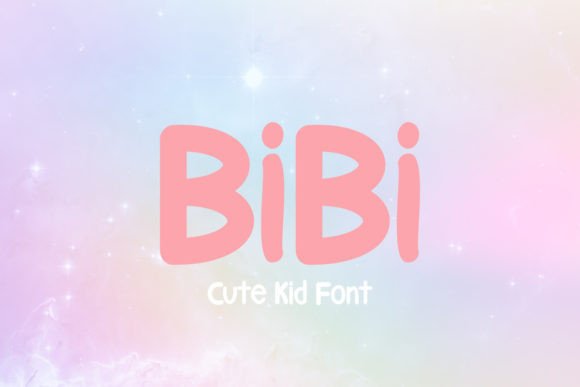
At its core, Bibi is defined by its soft, rounded letterforms. There are no sharp edges or abrupt angles here; every curve is intentional, creating a sense of warmth and friendliness. This design philosophy makes it exceptionally readable, even at larger sizes where its playful character can truly shine. Think of it as the typographic equivalent of a welcoming smile—it puts the viewer at ease. While it’s a premium font, its value lies in this distinct personality. It’s not trying to be everything to everyone; instead, it excels in contexts where approachability and joy are key components of the message. Compared to a stark sans serif font or a traditional serif font, Bibi offers a modern typography solution that prioritizes emotional connection over corporate formality.
Where This Creative Font Truly Shines: Real-World Applications
The true test of any design asset is its versatility. Bibi proves its worth across a surprising range of creative and commercial projects, moving seamlessly from digital to print. Its inherent liveliness makes it particularly effective for audiences that appreciate a touch of whimsy without sacrificing professionalism.
- Branding & Logo Design: For brands targeting families, children, education, or wellness, a font like Bibi can form the cornerstone of a friendly brand identity. It works beautifully for a bakery logo, a children's boutique, or a community center's branding, instantly communicating approachability.
- Packaging Design: Imagine this typeface on a box of organic snacks, a jar of artisanal jam, or a line of handmade soaps. Its curved letterforms suggest care, quality, and a personal touch, helping products stand out on a crowded shelf.
- Social Media Graphics & Web Design: In the fast-scrolling world of social media, a font with personality stops thumbs. Use Bibi for Instagram story highlights, Pinterest pins, or website headers where you want to inject energy and make your content more memorable. It enhances audience engagement by making text feel less like information and more like a conversation.
- Print Materials & Merchandise: From poster design for a local fair to invitations for a child's birthday party, Bibi adds a celebratory flair. It’s also ideal for merchandise like tote bags, t-shirts, and stickers, where a cute and lively font can become a key part of the product's appeal.
- Editorial & Digital Products: While it’s a display font best used for headlines, pull quotes, or chapter titles, Bibi can bring a refreshing visual consistency to blogs, e-books, and digital planners. It helps break the monotony of body text and guides the reader's eye to key points.
Making It Work: Practical Tips for Pairing and Readability
Choosing the right font is only half the battle; using it effectively is what separates good design from great. Because Bibi is a display font with a strong personality, it requires a thoughtful approach to typography.
Pairing with Purpose: A font pairing is like a conversation between typefaces. Bibi, with its expressive curves, pairs best with a more neutral, clean partner. A simple sans serif font for body text creates a beautiful balance, allowing Bibi's headlines to pop without overwhelming the page. Avoid pairing it with other highly decorative or script fonts, as this can create visual chaos and hurt readability. The goal is harmony, not competition.
The Readability Check: Always test your designs at the intended size and medium. A font that looks charming on your screen might become difficult to read on a small mobile device or from a distance on a poster. Use Bibi primarily for larger text elements like titles, headers, and short, impactful phrases. For longer paragraphs of body copy, stick to a highly legible sans serif or serif font. This practice ensures your professional presentation remains sharp while still leveraging Bibi's engaging qualities for key messages.
Reviewing the Font Styles: Before starting a project, explore all the included font styles and weights. Understanding the full range of the Bibi typeface allows you to create hierarchy and visual interest within your designs. Using a bold weight for a main headline and a regular weight for a subheading can add sophistication while maintaining the font's core character.
From Personal Projects to Commercial Ventures
One critical consideration for any creator is licensing. If you're using Bibi for personal projects—like a family scrapbook, a personal blog, or a gift for a friend—you typically have more flexibility. However, the moment a project becomes commercial—whether you're selling a product, offering a paid service, or creating assets for a client—the font's commercial license becomes essential. Always verify the licensing terms of any premium font you download. Investing in the proper license for a commercial font protects you legally and supports the talented type designers who create these valuable assets. It’s a fundamental part of operating professionally in the creative space.
Finding a typeface that aligns perfectly with a project's goals can transform your workflow. Bibi offers more than just letters on a screen; it offers a mood. Its curved, simple design provides a reliable tool for injecting life, warmth, and approachability into a wide array of creative work. By understanding its strengths and applying it with strategic consideration for pairing and readability, you can leverage this creative font to build stronger visual connections with your audience, one beautifully curved letterform at a time.