Sculpture: The Bold Display Font for Modern Design
You know the feeling—you’re staring at a blank screen, trying to design something that needs to feel both contemporary and timeless, authoritative yet approachable. Whether it’s a logo, a product label, or a social media campaign, the visual weight of your typography can make or break the message. That’s where a typeface like Sculpture enters the conversation. It’s not just another display font; it’s a deliberate choice for projects that demand presence without sacrificing clarity.
Understanding Sculpture’s Visual Personality
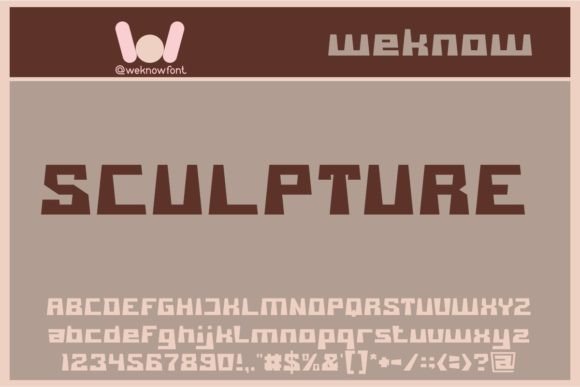
Sculpture is a bold, assertive display font characterized by its clean, geometric construction. Think of it as the typographic equivalent of modern architecture—structured, intentional, and built to stand out. Its letters are formed with strong, consistent lines and balanced proportions, giving it a sense of stability and confidence. This isn’t a typeface that whispers; it makes a clear statement. The geometric foundation gives it a slightly industrial, engineered feel, which works surprisingly well across a variety of contexts, from tech startups to artisanal brands looking for a modern edge.
What makes it visually appealing is its versatility within that assertive framework. It doesn’t rely on ornate details or distracting flourishes. Instead, its power comes from its simplicity and strength. This makes it incredibly adaptable. It can feel sleek and minimalist in one application, and robust and impactful in another. For designers, this means you get a lot of creative mileage from a single typeface—it’s a reliable workhorse that consistently delivers a professional, polished look.
Where Sculpture Truly Shines: Practical Applications
Let’s move beyond theory. Where does a font like Sculpture actually solve problems and add value in real-world projects?
- Branding & Logo Design: This is Sculpture’s sweet spot. A logo needs to be memorable and scalable. Sculpture’s bold, geometric forms ensure it remains legible even at small sizes, like on a business card or a website favicon. It conveys stability and modernity, making it ideal for companies in tech, finance, architecture, or any field where trust and innovation are key. Imagine it paired with a simple icon for a consulting firm—it immediately feels established and forward-thinking.
- Packaging & Merchandise: On a crowded shelf, packaging has seconds to grab attention. Sculpture’s assertive nature helps products stand out. Use it for brand names on coffee bags, cosmetics, or craft beer labels. Its clarity ensures the product name is readable from a distance, while its geometric style can complement both minimalist and detailed packaging designs. For merchandise like t-shirts or tote bags, it provides a clean, professional base for slogans or brand marks.
- Editorial & Print Materials: Think magazine covers, event posters, or annual report headings. Sculpture excels at creating a strong typographic hierarchy. Use it for pull quotes, chapter titles, or section headers in a brochure. It commands attention without overwhelming the page, especially when balanced with a more neutral body font. In a poster for a gallery exhibition, it can anchor the information with a contemporary, gallery-worthy feel.
- Digital & Social Media: In the fast-scrolling world of social media, strong typography is crucial. Use Sculpture for Instagram graphics, YouTube thumbnails, or Facebook ad headlines. Its high contrast and bold weight ensure text is readable even on small mobile screens. For website hero sections, it can create a powerful first impression. It’s also an excellent choice for the headings in a blog or an online portfolio, helping to establish a consistent visual brand across all digital touchpoints.
Making It Work: Pairing and Practical Considerations
A powerful display font like Sculpture works best as part of a typographic system. The key to using it effectively is thoughtful pairing.
Since Sculpture has such a strong personality, it’s rarely the best choice for long paragraphs of body text. Its strength is in headlines, titles, and short, impactful statements. For body copy, you’ll want to pair it with a highly readable, more neutral typeface. A clean sans serif font or a classic serif font often works beautifully. For example, pairing Sculpture with a humanist sans serif like Lato or a timeless serif like Merriweather creates a pleasing contrast—the bold display font for impact, the simpler font for comfortable reading.
Before committing, always test your font pairings. Place your headline in Sculpture and your body text in the chosen partner font at actual sizes. Check the visual balance. Does the headline overwhelm the body, or do they complement each other? Also, consider the different font styles included in the Sculpture family. Does it come with weights like Regular, Bold, or even a condensed version? Having multiple weights gives you more tools to create hierarchy and variation within your designs while maintaining a cohesive look.
For any commercial project, licensing is a non-negotiable step. Sculpture is a premium font, which means you need to ensure you have the correct license for your intended use—whether it’s for a client’s logo, merchandise for sale, or a digital product you’ll distribute. Reputable foundries and marketplaces are clear about what each license covers. Investing in a proper commercial license is part of being a professional; it supports the type designers and ensures your project is legally sound.
A Final Thought on Choosing Your Tools
Typography is one of the most powerful tools in your visual communication kit. The fonts you choose do more than display words; they set a tone, evoke an emotion, and build brand recognition. A typeface like Sculpture isn’t just a decorative choice—it’s a strategic one. Its geometric clarity and bold presence make it a fantastic design asset for anyone looking to create work that feels confident, modern, and professionally crafted. Whether you’re building a brand identity from scratch or refreshing an existing one, giving Sculpture a serious look could be the step that elevates your project from good to genuinely memorable.