Chrome: The Retro-Futuristic Typeface for Bold Visuals
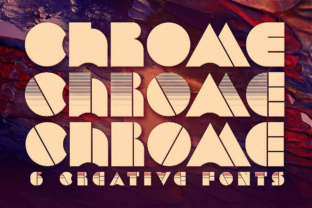
Imagine a font that doesn't just sit on the page but seems to hum with the energy of a chrome-plated future that never was. It's a typeface that feels like the title card of a classic sci-fi film or the sleek branding on a vintage concept car. This is the world of Chrome, a display font designed to stop viewers in their tracks and inject a powerful dose of character into any project. It’s not for body text or quiet whispers; it’s for headlines that demand attention and logos that stick in the memory.
Chrome is an exceptionally unique display font, fully decorative and immersive in a retro-futuristic style. Think of the clean, optimistic lines of 1960s space-age design mixed with a touch of digital-age sleekness. The letters often feature sharp, geometric angles, smooth curves, and a sense of polished metal or illuminated plastic. This isn't a generic sans serif or a traditional serif font. It's a creative font with a distinct personality, making it a powerful design asset for projects that need to feel both nostalgic and forward-thinking.
More Than Just a Pretty Face: Where Chrome Truly Shines
The real value of a premium font like Chrome lies in its application. Its bold, unmistakable style makes it a strategic choice for specific creative goals. Here’s how designers, entrepreneurs, and creators are putting it to work:
- Logo and Brand Identity: For brands in tech, entertainment, gaming, automotive, or any sector wanting a futuristic edge, Chrome can become the cornerstone of a visual identity. A logo set in Chrome instantly communicates innovation and a distinctive style. Paired with a clean sans serif for body copy, it creates a dynamic and memorable brand identity system.
- Packaging and Product Design: On a shelf or in a digital store, packaging needs to grab attention fast. Chrome is perfect for product names on everything from specialty energy drinks and tech gadgets to limited-edition sneakers or vinyl records. It tells the customer this product is modern, bold, and not like everything else.
- Marketing and Social Media Graphics: In the endless scroll of a social feed, a graphic set in Chrome is a scroll-stopper. Use it for sale announcements, event promotions, podcast titles, or YouTube thumbnails. Its high-impact nature ensures your message cuts through the noise, improving audience engagement.
- Posters, Merchandise, and Invitations: From concert posters and festival branding to custom t-shirts and stickers, Chrome brings an edgy, artistic flair. For invitations to a themed party or a launch event, it sets the tone immediately, promising an experience that's out of the ordinary.
Integrating a Statement Piece into Your Design Workflow
Using a decorative font like Chrome effectively is about balance and intention. It’s the typographic equivalent of a statement necklace—it should be the focal point, not competing with a dozen other accessories. Here’s some practical advice for making it work in your projects.
Font Pairing is Everything: Chrome’s strength is its uniqueness, which means it pairs best with simplicity. A classic, highly readable sans serif font (like Helvetica, Inter, or Poppins) or a neutral serif font makes an excellent companion. Use Chrome for headlines and your chosen partner for subheadings and body text. This creates a clear visual hierarchy, ensuring your design is both exciting and easy to read.
Readability Considerations: Because of its decorative nature, Chrome is best used at larger sizes. It’s a display font, meaning it’s designed for headlines, not for paragraphs of small text. Always test your designs at the intended viewing size. Will the headline be clear on a mobile screen? Will the logo remain legible when printed small? This testing is crucial for professional presentation.
Review the Full Character Set: Before committing, explore all the included font styles and glyphs. Many premium fonts come with alternate characters, ligatures, or stylistic sets that can give you even more creative control. You might find a special version of a letter that perfectly suits your logo lockup.
Commercial Licensing: If you’re using Chrome for a client project, merchandise for sale, or widespread marketing, confirm the font license covers commercial use. This is a standard but vital step in any professional design workflow to avoid legal issues down the line.
A Typographic Tool for Specific Jobs
Think of Chrome not as a replacement for your go-to workhorse fonts, but as a specialized tool in your design toolkit. It’s the typeface you reach for when a project calls for personality over neutrality. A small business owner might use it to create a standout logo for their new app. A content creator could use it to brand their podcast cover art and social media templates, building instant recognition. A designer might select it for an editorial layout's pull quotes or chapter titles to add a layer of visual storytelling.
Its retro-futuristic vibe can help establish a specific mood—whether it's the sleek optimism of a new tech startup, the gritty cool of an underground music scene, or the playful nostalgia of a retro-themed event. By aligning the font's inherent style with your project's goals, you strengthen the overall message and create a more cohesive and impactful visual experience.
Ultimately, the best way to know if a typeface is right is to see it in action. Mock up a quick design with Chrome. Does it feel right for the brand? Does it attract the intended audience? Does it solve the visual problem at hand? When the answer is yes, you’ve found more than just a font; you’ve found a powerful voice for your visual communication.