Django: The Bold Retro Typeface for Modern Brands
There is a specific feeling that the best retro designs evoke—a sense of reliability, history, and unapologetic confidence. If you have ever struggled to find a typeface that bridges the gap between mid-century industrial strength and contemporary minimalism, you might be looking for exactly what Django offers. It is not just another retro revival; it is a robust display font that commands attention while maintaining a surprisingly clean, sans-serif structure. For designers, entrepreneurs, and content creators who want their work to feel grounded yet energetic, this typeface presents a compelling solution that works across a massive variety of creative applications.
The Visual Balance of Weight and Clarity
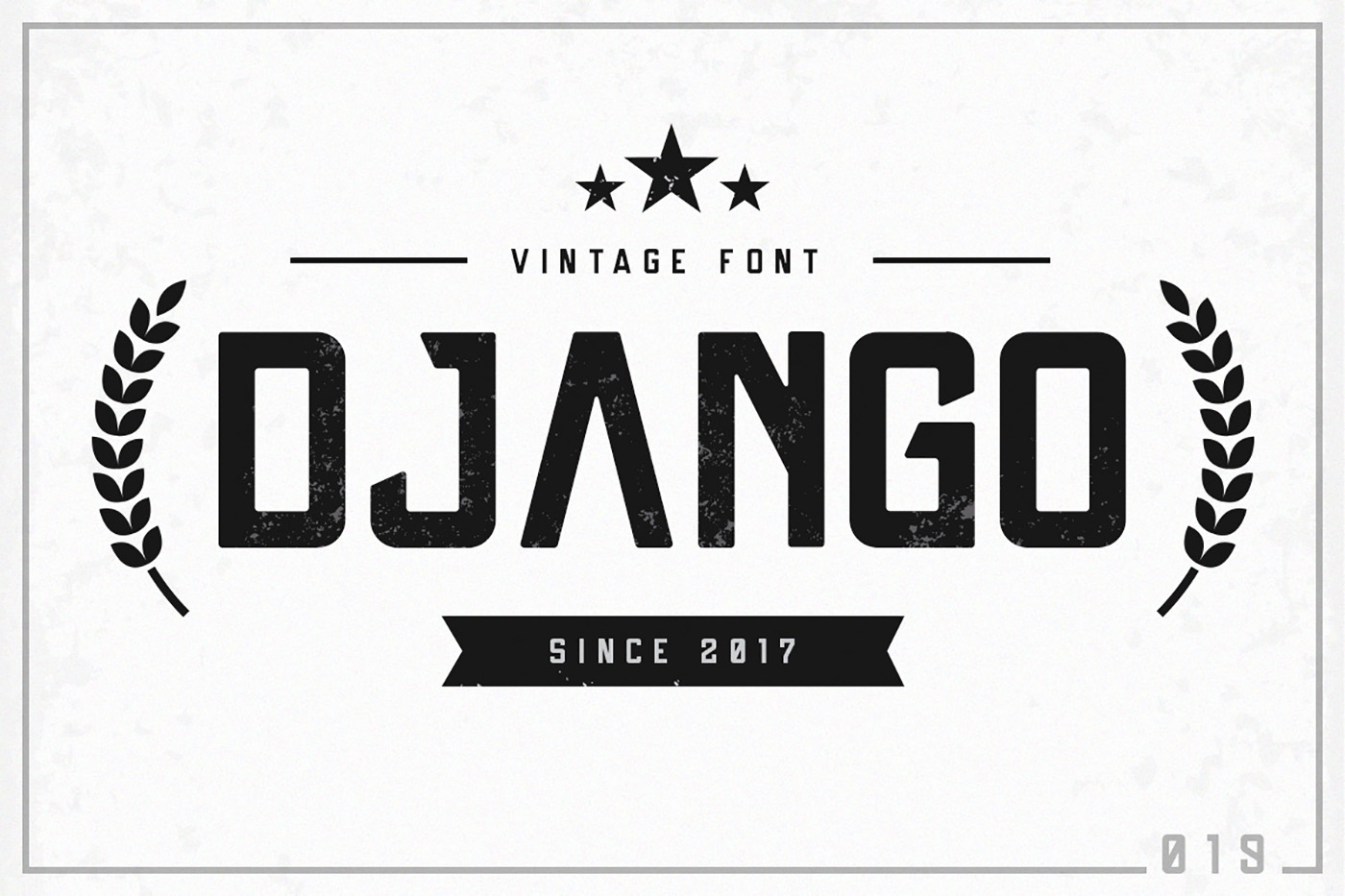
What makes Django stand out in a crowded marketplace of design assets is its ability to be heavy without being messy. Often, when we think of "bold" or "chunky" retro fonts, we imagine letters that bleed into one another or become unreadable at smaller sizes. Django avoids this trap. It combines a robust weight—the kind of thickness that anchors a poster or a logo—with the clean geometry of a modern sans-serif. This balance is crucial for brand identity work. You want a typeface that feels substantial enough to be memorable, but structured enough to remain professional.
Visually, the font carries the DNA of vintage advertising. It hints at the hand-painted signage of the 1950s and 60s, yet it has been refined for digital precision. The curves are smooth, and the spacing is calculated to ensure that even though the letters are bold, they breathe. This makes it an ideal candidate for logo design where the text needs to be the hero. It creates an immediate visual anchor, ensuring that the audience knows exactly what they are looking at within seconds.
Practical Applications for Branding and Marketing
For small business owners and creative entrepreneurs, the choice of typography is rarely just about aesthetics; it is about strategy. You need a font that communicates your values instantly. Django is versatile enough to serve multiple functions within a single brand ecosystem. Because it is a premium font designed with commercial use in mind, it offers the reliability required for high-stakes projects.
Consider how you might apply this typeface across your touchpoints:
- Packaging Design: If you sell physical goods, shelf appeal is everything. A bold display font like Django can make your product name pop against a busy background or stand tall on a minimalist label. It is particularly effective for food and beverage branding, lifestyle products, or artisanal goods where you want to convey a "classic" or "established" vibe.
- Social Media Graphics: In the endless scroll of a feed, you have milliseconds to stop a thumb. High-contrast typography is one of the most effective ways to do this. Using Django for your headlines on Instagram carousels or Facebook ads ensures that your message is read immediately, even on small mobile screens.
- Website Headers: While body text requires high legibility at small sizes, headers are your opportunity to set the mood. Applying this font to your H1 or H2 tags can instantly give your web design a distinct personality, turning a standard layout into a curated experience.
Beyond digital, this typeface translates beautifully to print materials. Think about event posters, flyers, or even merchandise like t-shirts and tote bags. The robust nature of the font ensures it reproduces well on fabric and paper, maintaining its integrity whether it is screen-printed or digitally reproduced.
Enhancing Visual Consistency and Recognition
One of the biggest challenges in modern typography is maintaining consistency across platforms. A font might look great on a desktop monitor but terrible on a mobile device, or it might look perfect in vector format but pixelate when printed. A high-quality typeface like Django is built to withstand these variables. By using a single, strong typeface family for your headers and display text, you create a visual thread that ties your brand together.
This consistency is the bedrock of brand recognition. When a potential customer sees your specific font choice repeated across your blog, your email newsletters, and your physical business cards, they begin to associate that visual style with your business. It builds trust. It signals that you pay attention to details. Whether you are a blogger trying to establish authority in a niche or a marketing professional launching a new product, that visual cohesion is invaluable.
Pairing and Readability: Making It Work for You
A display font rarely works in isolation. While Django is excellent for headlines and call-outs, you will need a complementary typeface for your body copy. This is where font pairing becomes an essential skill. Because Django has such a strong, geometric personality, it pairs best with something simple and understated.
A classic approach is to pair a bold retro display font with a clean sans serif font for the body text. This creates a hierarchy that is easy for the eye to navigate. Alternatively, if you want a more editorial or artistic feel, you could pair it with a clean serif font. The contrast between the heavy, modern display type and the delicate, traditional serif can create a sophisticated tension that feels very high-end.
However, a word of caution on readability: while Django is clean for its weight, it is still a display typeface. Avoid using it for long paragraphs of text or fine print. It is designed to be seen at large sizes where its unique character shapes can be appreciated. Use it for titles, sub-headers, and pull quotes. For the body of your blog posts or product descriptions, stick to a highly legible text font. This ensures that your content is not only beautiful but also accessible to everyone.
Choosing the Right Style and Licensing
Before you download and install, take a moment to review the specific styles included in the package. Many premium fonts come with various weights or stylistic alternates. Knowing what is available allows you to be more creative. Perhaps there is a condensed version that works better for tight spaces, or maybe there are alternate characters that give the font a slightly different flair.
Equally important is the licensing. If you are using this for a personal hobby project, the requirements are different than if you are a design agency creating assets for a major client. Always ensure that your commercial font license covers your intended use. This protects you legally and ensures that the type designers are compensated for their work in creating these valuable design assets.
Ultimately, Django is more than just a collection of vector outlines; it is a tool for communication. It allows you to tap into the nostalgia of the past while speaking the language of modern design. Whether you are crafting a logo for a new startup, designing a menu for a cafe, or creating a digital product that needs to stand out, this typeface offers the weight, clarity, and style needed to get the job done right.