Obit: The Futuristic Display Font for Bold Visual Statements
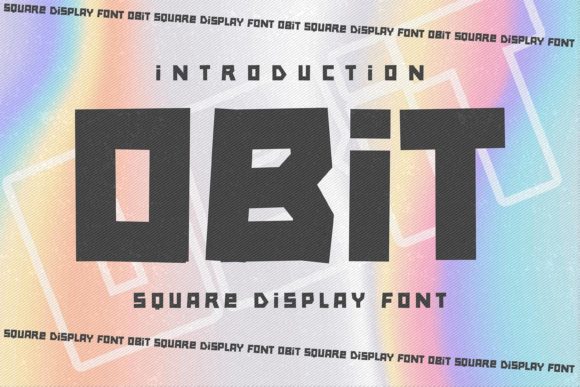
There's a particular kind of design challenge that calls for something beyond the usual sans serif or serif font. You know the moment—when a project demands visual weight, technological edge, and an unmistakable sense of forward momentum. That's precisely where Obit enters the conversation. This cool, robotic display typeface carries a modern futuristic energy that works surprisingly well across a range of creative and commercial applications, from branding systems to social media content to packaging design.
A Typeface Built for Modern Visual Identity
Obit draws its personality from clean geometric forms, mechanical precision, and subtle industrial influences. The letterforms feel engineered rather than hand-drawn, which gives the font an authoritative presence without crossing into cold or inaccessible territory. Each character maintains consistent proportions, and the overall rhythm of the typeface creates a sense of cohesion that designers appreciate when building out brand identity systems.
What makes this display font particularly useful is its ability to command attention in headline settings while still remaining legible at reasonable sizes. The bold weight carries enough visual density to anchor a poster layout or a website hero section, yet the letter spacing and form avoid the cramped, unreadable quality that plagues some futuristic typefaces. If you've ever struggled to find a font that looks cutting-edge but doesn't sacrifice clarity, Obit solves that problem in a practical way.
Where Obit Shines: Real-World Creative Applications
Think about the projects where typography needs to do heavy lifting. Logo design is an obvious starting point. A tech startup, an esports brand, a digital agency, or even a podcast about innovation could build an entire visual identity around the distinctive character of this typeface. The robotic quality of the letterforms communicates innovation and forward-thinking without relying on clichéd design tropes like neon gradients or circuit board motifs.
Packaging design presents another compelling use case. Imagine a consumer electronics product, a specialty energy drink, or a line of grooming products aimed at a younger demographic. Obit on the box or label immediately signals that the brand understands modern aesthetics. The font pairs well with minimalist layouts, bold color blocking, and high-contrast photography—design approaches that dominate contemporary shelf presence.
For social media graphics, the typeface performs exceptionally well. Instagram stories, YouTube thumbnails, LinkedIn banners, and TikTok overlays all benefit from typography that pops at small sizes and grabs attention during rapid scrolling. The geometric structure of Obit ensures that text remains readable even when compressed into mobile-first formats, which matters enormously for content creators and marketers who depend on engagement metrics.
Poster design and event promotion materials also benefit from this kind of premium font. Music festivals, tech conferences, product launches, and gaming tournaments all share a visual language that Obit speaks fluently. The bold, futuristic vibe aligns naturally with audiences who expect cutting-edge design from the brands and events they support.
Pairing Obit with Other Typefaces
No display font exists in isolation, and smart font pairing elevates any design project. Because Obit carries such a strong personality, it works best as the headline or hero typeface while a more neutral companion handles body copy and supporting text.
A clean sans serif font makes an excellent partner. Think of typefaces with open letterforms, generous x-heights, and minimal decorative detail. The contrast between Obit's mechanical boldness and a humanist sans serif's approachability creates visual hierarchy without feeling disjointed. This combination works well for website design, editorial layouts, and marketing collateral where you need both impact and readability.
For projects that lean into a more technical or data-driven aesthetic, pairing Obit with a monospaced typeface can reinforce the technological theme. This approach suits digital product interfaces, developer-focused branding, and cybersecurity company identities particularly well.
Some designers even successfully pair display fonts like Obit with a subtle script or handwritten font for contrast. The key is ensuring the secondary typeface doesn't compete for attention. It should recede gracefully, providing texture and warmth while Obit handles the visual heavy lifting. Testing these combinations in context—mocked up in your actual design rather than in an isolated font preview—gives you the clearest picture of whether a pairing truly works.
Readability Considerations for Display Typography
One question worth addressing honestly: how readable is a font like Obit in extended text settings? The straightforward answer is that display fonts are designed for headlines, titles, and short bursts of text, not for paragraphs of body copy. Using Obit for a 200-word product description would likely fatigue readers. Using it for a three-word headline, a product name, or a call-to-action button? That's where it excels.
Understanding this distinction matters for professional presentation. A brand that uses its display typeface appropriately signals design literacy to its audience, even if that audience can't articulate why the typography feels right. Readability isn't just about whether someone can technically decode letterforms—it's about whether the typography supports the communication goal rather than undermining it.
When incorporating Obit into web design, pay attention to font size, line height, and color contrast. A futuristic typeface rendered in light gray on a white background loses its impact quickly. Give the font room to breathe, use it at sizes where its geometric details remain sharp, and pair it with sufficient whitespace. These practical choices separate polished design from amateur execution.
Licensing and Commercial Use
Before committing any creative font to a commercial project, reviewing the licensing terms is essential. Most premium fonts come with specific usage rights that cover different applications—desktop use, web embedding, app integration, and merchandise production often require separate licenses or fall under different tiers. This isn't bureaucratic busywork; it protects both the type designer's livelihood and your business from potential legal complications down the road.
Check whether the license covers your intended use cases. If you're a small business owner planning to use Obit on product packaging sold internationally, confirm that the commercial license permits that application. If you're a content creator embedding the font in digital products you sell—like templates, planners, or social media kits—verify that the license allows redistribution in that format. These details vary significantly between font foundries and marketplaces.
Treating typography licensing as a standard part of your design workflow, rather than an afterthought, demonstrates the kind of professionalism that clients and collaborators notice. It also ensures your brand identity rests on solid legal ground, which matters more than most people realize until something goes wrong.
Making the Most of Your Font Investment
A typeface like Obit represents more than a single design asset. When thoughtfully integrated into a broader visual system, it becomes a recognizable element of brand identity that audiences begin to associate with your specific aesthetic. Consistency in typography—using the same display font across your website, social channels, print materials, and merchandise—builds that recognition over time.
Explore the full range of styles and weights included with the font family. Many display typefaces offer alternates, ligatures, or stylistic variations that expand your creative options without requiring additional purchases. Experimenting with these features during the design phase often reveals unexpected possibilities that strengthen the final result.
Ultimately, the best typography decisions happen when designers and creators match font personality to project goals with intention. Obit brings a distinctive futuristic edge that suits a specific set of creative needs brilliantly. Recognizing when that edge serves your project—and when a different approach would communicate more effectively—is the mark of thoughtful, strategic design work that resonates with real audiences and delivers lasting visual impact across every touchpoint.