Aoka: The Violent Display Font for Thrillers
There are moments in design when you need typography that doesn't just sit quietly on the page but demands attention with an almost physical presence. You know the feeling—you're working on a horror movie poster, a thriller novel cover, or a Halloween event flyer, and every serif font feels too polite, every sans serif too corporate. That's when you stumble across a typeface like Aoka, and suddenly the entire project clicks into place. This isn't a font that whispers; it screams. Aoka is a violent, powerful, and rough display font that brings an unsettling energy to any visual composition, making it the kind of design asset that fills a very specific but important niche in modern typography.
When Brutality Meets Intentional Design
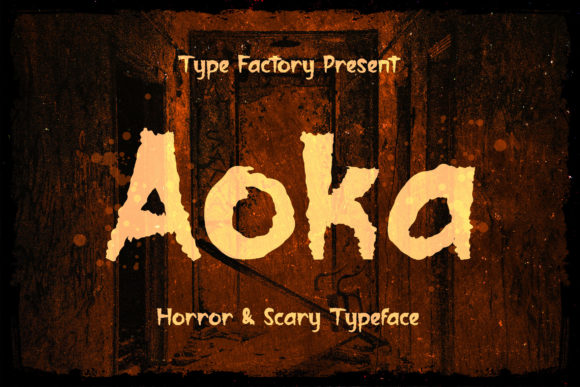
What makes Aoka stand out in a sea of display fonts isn't just its aggressive appearance—it's the deliberate craftsmanship behind that aggression. The letterforms carry a rough, almost hand-carved quality that feels both raw and controlled. Each character has weight, presence, and a slightly menacing edge that immediately communicates danger, mystery, or intensity. This isn't randomness; it's a carefully constructed typeface designed to evoke a very particular emotional response.
For designers working on projects that require a scary look and feel, Aoka delivers exactly what you need without any additional visual manipulation. The jagged edges, the heavy strokes, the slightly irregular baselines—all of these elements work together to create typography that feels alive and threatening. Think about the title treatments in classic horror films or the covers of bestselling thriller novels. That same visceral energy lives within this font, ready to be deployed in your own creative work.
Where This Typeface Truly Shines
Let's talk about real applications, because a font is only as valuable as the projects it can serve. Aoka isn't a typeface you'd use for body copy in a corporate annual report, and that's perfectly fine. Its strength lies in specific creative territories where impact matters more than extended readability.
Book covers and editorial design represent one of the most natural homes for this font. Mystery and thriller genres practically beg for typography that unsettles the viewer before they've even read a single word of the story. Aoka's rough display characteristics make it ideal for title treatments on novels, magazine covers featuring crime or horror content, and editorial layouts exploring darker themes. The font does half the storytelling work before the reader even opens the book.
Logo design for certain brands can benefit enormously from Aoka's personality. Escape rooms, haunted attractions, heavy metal merchandise companies, extreme sports brands, and horror-themed entertainment venues all need visual identities that communicate intensity. A well-designed logo using this typeface immediately signals to potential customers what kind of experience they're signing up for. That instant recognition is worth more than paragraphs of marketing copy.
Packaging design for specialty products—think craft hot sauces with names like "Devil's Breath," limited-edition Halloween candy, or gothic-themed craft beers—can leverage Aoka's aggressive character to stand out on crowded shelves. When consumers are scanning products quickly, a font that practically leaps off the label creates an unfair advantage in the attention economy.
Poster design for events, concerts, film screenings, and theatrical productions finds a perfect partner in this typeface. Horror film festivals, metal concerts, haunted house events, and true crime podcast live shows all benefit from typography that sets the mood before any other design element registers. Aoka handles this responsibility with ease, creating instant atmospheric tension through its visual weight alone.
Practical Considerations for Working With Aoka
Every powerful design tool requires thoughtful application, and this font is no exception. Here are some practical observations from a designer's perspective that can help you get the most out of Aoka without common pitfalls.
Font pairing is essential. Because Aoka carries such a strong personality, it needs complementary typography for supporting text. Pairing it with a clean sans serif font for body copy creates a balanced hierarchy where the display font commands attention while the secondary typeface handles information delivery. A neutral geometric sans serif works particularly well because it doesn't compete for the viewer's emotional response. Think of it as casting—Aoka plays the villain, and your body copy font plays the reliable narrator.
Size matters more than usual. This is a display font that works best at larger scales. At small sizes, its rough edges and aggressive details can become muddy or difficult to parse. Use it for headlines, titles, and hero text where its full character can be appreciated. For subheadings and smaller text elements, switch to a more refined typeface that maintains readability without sacrificing the overall mood.
Color and background choices amplify its impact. Aoka rendered in stark white against a deep black background creates maximum horror-movie intensity. Red on black screams danger. A slightly distressed texture applied behind the typography can enhance its rough quality even further. Experiment with high-contrast color combinations that reinforce the emotional tone you're trying to establish.
Spacing and layout deserve extra attention. Because of its heavy, rough character, Aoka may benefit from slightly increased letter spacing in certain applications. Crowded Aoka text can feel overwhelming rather than intentionally intense. Give the letters room to breathe, and they'll command more respect from the viewer.
Strengthening Brand Identity Through Bold Typography Choices
For small business owners and creative entrepreneurs, choosing a font like Aoka isn't just an aesthetic decision—it's a strategic branding move. Your typography communicates your brand personality faster than any tagline or mission statement. When a potential customer sees your logo, your packaging, or your social media graphics, they form an impression within milliseconds. That impression either aligns with their expectations and desires, or it doesn't.
Brands operating in entertainment, alternative culture, extreme sports, horror media, and similar spaces need typography that authentically represents their identity. Using a generic corporate font for a haunted attraction business sends a confusing message. Using Aoka sends the right one. This alignment between visual presentation and brand personality is what separates memorable brands from forgettable ones.
Social media graphics represent another crucial application. In platforms where users scroll past hundreds of posts daily, an eye-catching display font can be the difference between engagement and invisibility. Aoka's distinctive character makes it particularly effective for promotional posts, announcement graphics, and branded content that needs to stop thumbs mid-scroll. The font's intensity translates well even in the relatively small space of a mobile screen, provided you keep the text concise and well-positioned.
Merchandise and digital products also benefit from this kind of purposeful typography. T-shirts, stickers, posters, and digital downloads aimed at fans of horror, thriller, and dark aesthetic content need design elements that speak directly to that audience. A typeface with built-in personality reduces the need for excessive decorative elements, letting the words themselves carry the visual weight.
Licensing and Professional Use
Before incorporating Aoka into commercial projects, always verify the licensing terms. Most premium fonts come with clear guidelines about permitted uses, including whether the license covers merchandise production, digital product sales, and client work. Understanding these terms upfront prevents headaches later and ensures your projects remain legally sound. If you're a designer working with clients, confirm that the license covers the specific use case you're planning, whether that's a one-time poster design or an ongoing brand identity system.
It's also worth reviewing what font styles and weights are included with your purchase. Some display fonts come in multiple variations—regular, bold, condensed, or distressed versions—that give you additional flexibility within the same visual family. Knowing what's available helps you plan more sophisticated typographic hierarchies without needing to source additional typefaces.
The typography landscape offers endless possibilities, from elegant script fonts to clean sans serif families to playful handwritten styles. Each serves a purpose, and understanding when to reach for a rough, powerful display font like Aoka versus when to choose something more restrained is what separates thoughtful design from haphazard decoration. For projects that demand intensity, mystery, and an unmistakably dark edge, this typeface delivers exactly what the moment requires.